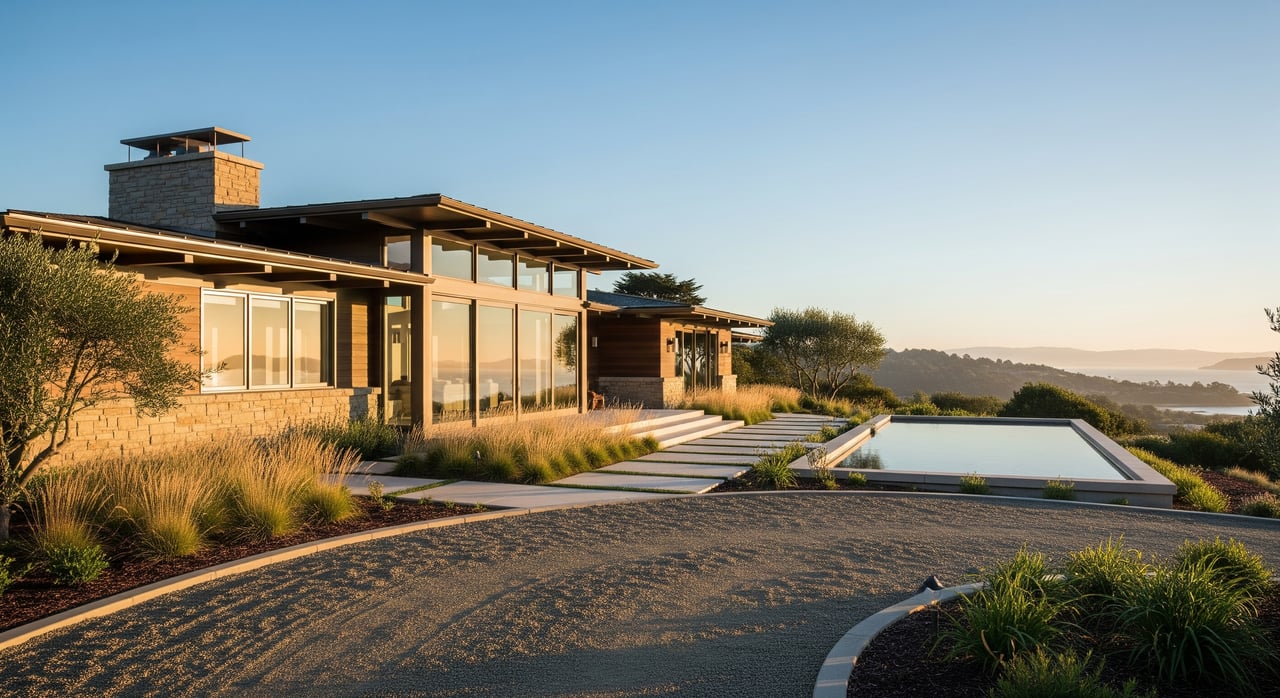
Staging Mid-Century & Craftsman Homes in Marin for Maximum Appeal
November 6, 2025
November 6, 2025
Thinking about selling a Mid‑Century Modern or Craftsman home in Marin? You already have a style buyers love, but the right staging can turn character into competitive advantage. With Marin’s outdoor lifestyle, microclimates, and design‑savvy shoppers, details matter. In this guide, you’ll learn how to showcase authentic features, connect rooms to the outdoors, and invest where it counts for a stronger market debut. Let’s dive in.
Marin buyers value homes that feel seamless with the outdoors. Highlight patios, decks, and views, and show how living areas flow outside for dining and lounging. Local lifestyle guides point to year‑round outdoor activities, so lean into that expectation of indoor‑outdoor living (Marin County Visitor).
They also respond to natural materials and craftsmanship. Wood, stone, built‑ins, and original details read as quality and care. Overly generic updates that hide those features can reduce appeal (Global Estates).
Finally, many Marin neighborhoods experience microclimates. Use warm lighting, layered textiles, and photography timed for the best light to show comfort on foggy mornings and sunny afternoons (Marin County Visitor). In a high‑price county where buyers are selective, clear lifestyle cues and turnkey presentation can help your listing stand out (CNBC).
Keep rooms open and sightlines clear. Use low‑profile silhouettes with simple lines and tapered legs to echo the architecture. One or two era‑appropriate statement pieces can anchor the space without crowding it (HomeLight). Arrange seating to frame picture windows and circulation paths.
Start with a neutral base and add restrained pops like mustard, teal, or burnt orange. Choose geometric art and a few sculptural plants to nod to the period without turning the home into a theme. Keep accessories minimal so the architecture leads.
Showcase floor‑to‑ceiling glass, clerestory windows, and exposed beams. Use warm directional lighting to reveal wood grain in the evening. Keep window treatments simple or sheer to emphasize large panes in photos, and plan images that preserve architectural lines and the indoor‑outdoor connection (Eichler Homes For Sale). For character features common in Marin’s MCM homes, such as open plans and overhangs, avoid bulky decor that interrupts rhythm (Evokere).
Make built‑ins, window seats, and fireplaces the stars. Pull furniture slightly off walls to reveal trim and wainscoting, and style shelves with a light touch. Preserve original woodwork and flooring whenever possible, and call these out in your marketing (Global Estates).
Use warm woods and textured fabrics like wool and linen. Keep the palette earthy with deep greens, ochres, and warm neutrals that complement existing millwork. Aim for cozy and curated, not cluttered.
Craftsman porches are an extension of the living room. Stage them with a swing or chairs, a small table, layered outdoor rugs, and potted plants to show everyday use. Keep walkways tidy and choose low‑maintenance landscaping to suggest easy care and year‑round enjoyment in Marin’s climate (Marin County Visitor).
Focus on the rooms that influence offers the most. National surveys show the living room, primary bedroom, and kitchen have the greatest impact on buyer perception, with staging helping buyers visualize themselves in the home (NAR).
Start with a consult to target the highest‑impact rooms. Nationally, median full‑staging costs are around $1,500, but high‑cost markets like Marin can run higher depending on scope and inventory. Many agents report that staging can increase perceived value and reduce days on market, so weigh spend against price point and your timing goals (NAR; CNBC). Get quotes from Marin stagers to set a realistic budget.
If your home sits in a local historic area or includes character‑defining features, plan staging and any prep work to meet accepted preservation standards. The Secretary of the Interior’s Standards are widely used and can guide decisions that respect original materials and scale (NPS). For local questions or archived guidance, check city resources and historical groups, such as San Rafael’s heritage organization, and speak with your planning department before altering exterior elements (San Rafael Heritage).
Invest in high‑quality photos and, if helpful, a 3‑D tour. Buyers rely on strong images, and staging makes it easier for them to visualize the space online (NAR). Capture the open plan and outdoor transitions for MCM, and the warmth and craftsmanship for Craftsman. If you use virtual staging, keep furnishings true to the style so the imagery feels authentic.
If you want a style‑savvy plan that pairs great staging with polished photo, video, and print marketing, reach out to Maile Mock. Maile brings local insight, design fluency, and Compass Concierge options to prep your home for a standout debut across Marin.
Stay up to date on the latest real estate trends.


Real Estate
Market Update

Community, Celebrations & Real Estate

Your Guide to Fourth of July Events in Marin

MARKET UPDATE

What does the Marin County housing market look like in 2026? Local expert Maile Mock breaks down inventory, pricing trends, competition, and what buyers need to know r… Read more

Real Estate
Tired of SF bidding wars? Discover why Marin County real estate in 2026 offers San Francisco homebuyers more inventory, top-rated schools, and an easy commute. Explore… Read more

Real Estate
MARKET UPDATE

Maile Mock brings extensive local knowledge in Marin Real Estate and a very personal approach to her business. She is committed to providing both buyers and sellers with responsive and dedicated service throughout every transaction.